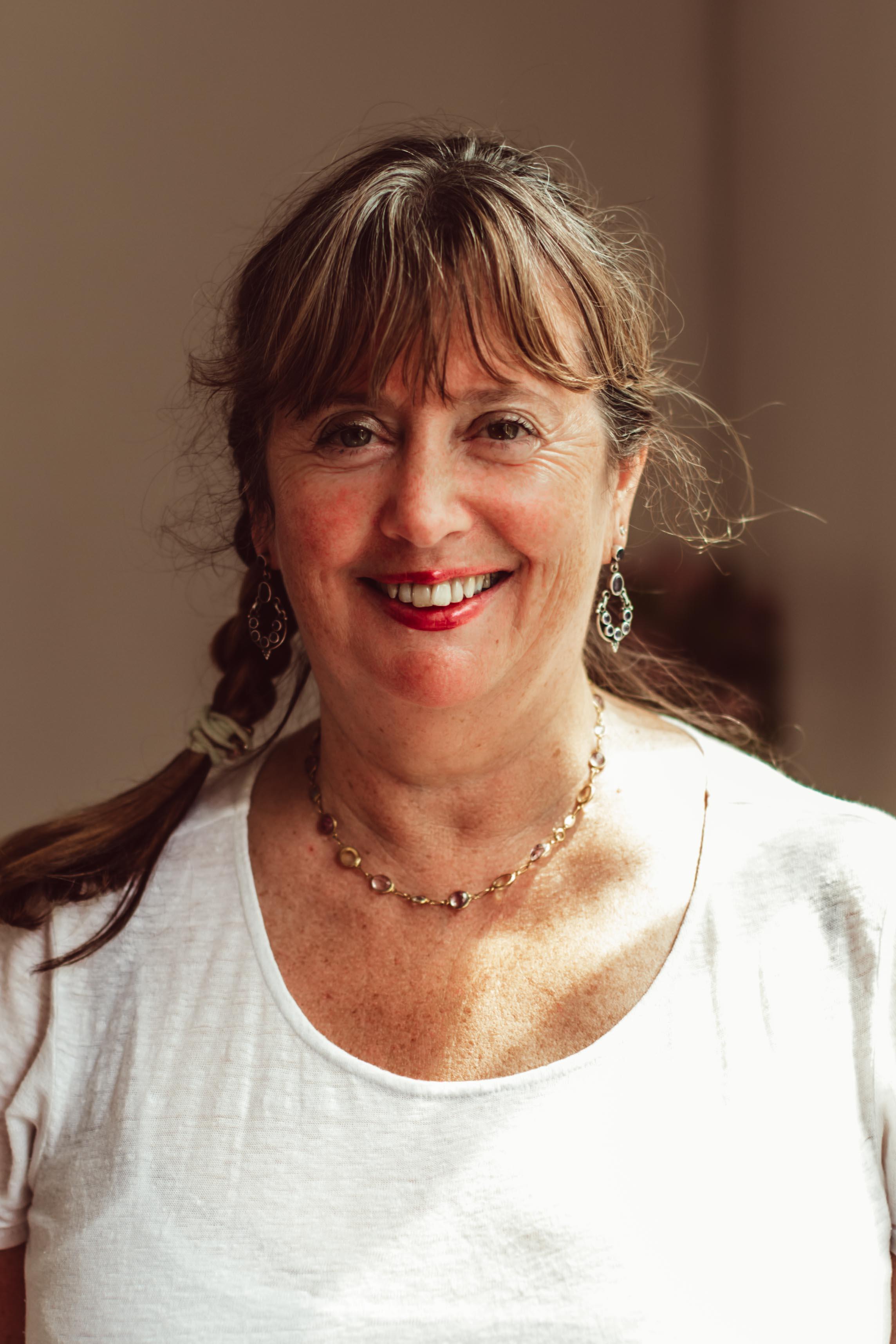
New
Annabel Hargrave
Devon
Funeral
Inclusive / non-religious
No reviews yet
View profile
Celebrant specialism
Editorial guidance reviewed 4 September 2026.
A non-religious celebrant leads a ceremony without worship or required statements of faith. That can suit a secular couple or family, but non-religious is not always the same as humanist. An independent celebrant may also allow a prayer or hymn for relatives if the client wants one.
Ask what the celebrant means by the label. Some keep the entire ceremony secular. Others centre the client while allowing limited religious contributions. For civil weddings, the registrar controls what religious content is permitted in the legal ceremony. A separate celebrant ceremony gives more choice but may not create the legal marriage.
A non-religious ceremony can suit people who do not share a faith, do not want worship, or want family stories and promises to carry the event. It can also give religious relatives a respectful place without asking the couple or family to make statements they do not believe. People seeking an explicitly humanist ceremony should still ask about the celebrant's beliefs and membership, because secular style and humanism are not interchangeable labels.
Agree whether the boundary is no worship at all or simply no required religious language. List hymns, prayers, blessings or spiritual references that relatives may request and decide who has the final say. Funeral language about death, legacy and an afterlife deserves the same check as wedding vows. For weddings, tell guests whether the legal marriage has already happened or will happen separately. The celebrant should not use ambiguous signing language that makes a symbolic certificate look official.
Current directory
1
matching UK profile
Add the specialism to your profile, explain how you work and publish a starting price. Complete profiles can appear here once this page has enough useful inventory for searchers.
Create or claim your listing